about this project
Food Pantries as a Web of Care
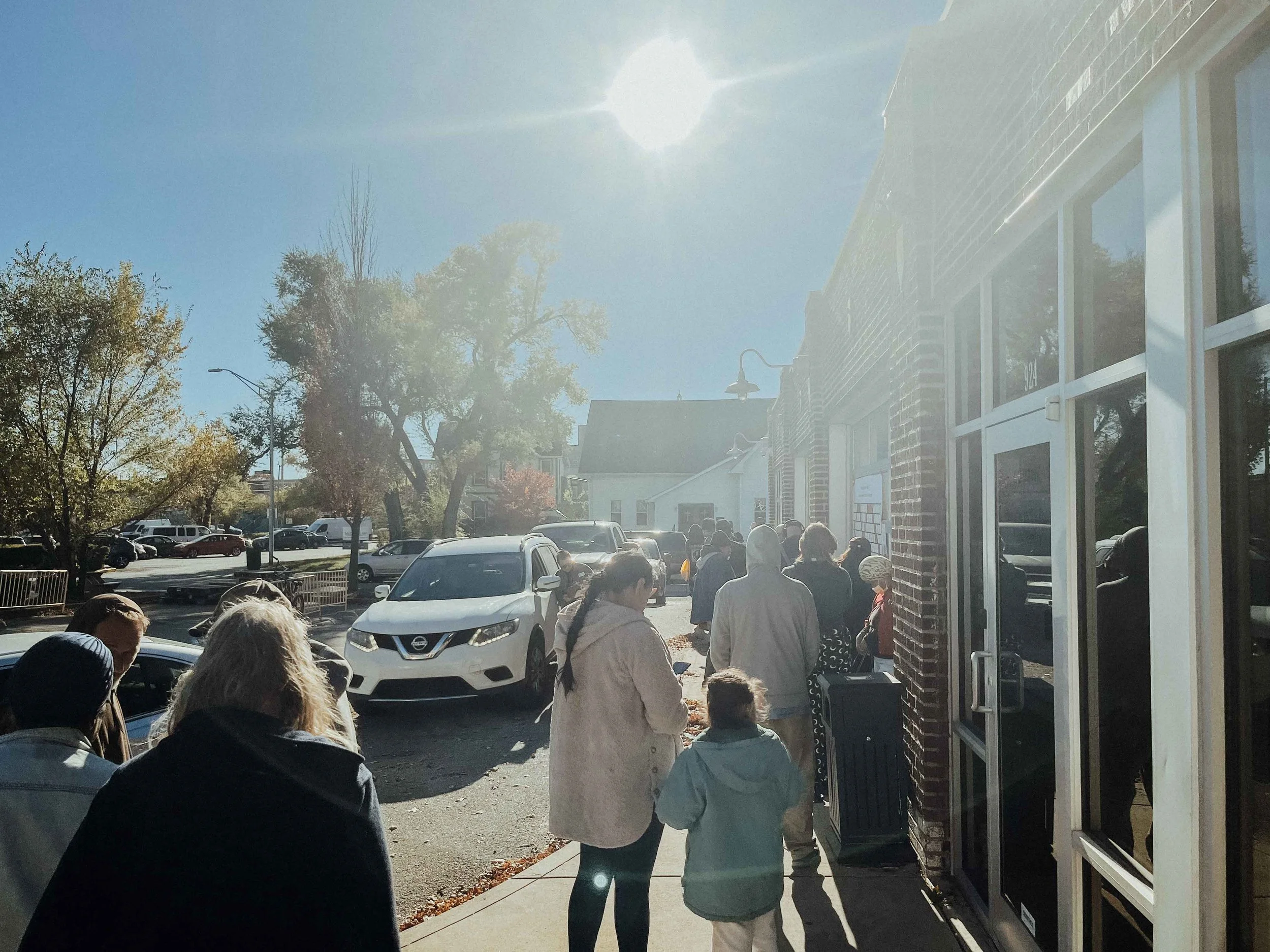
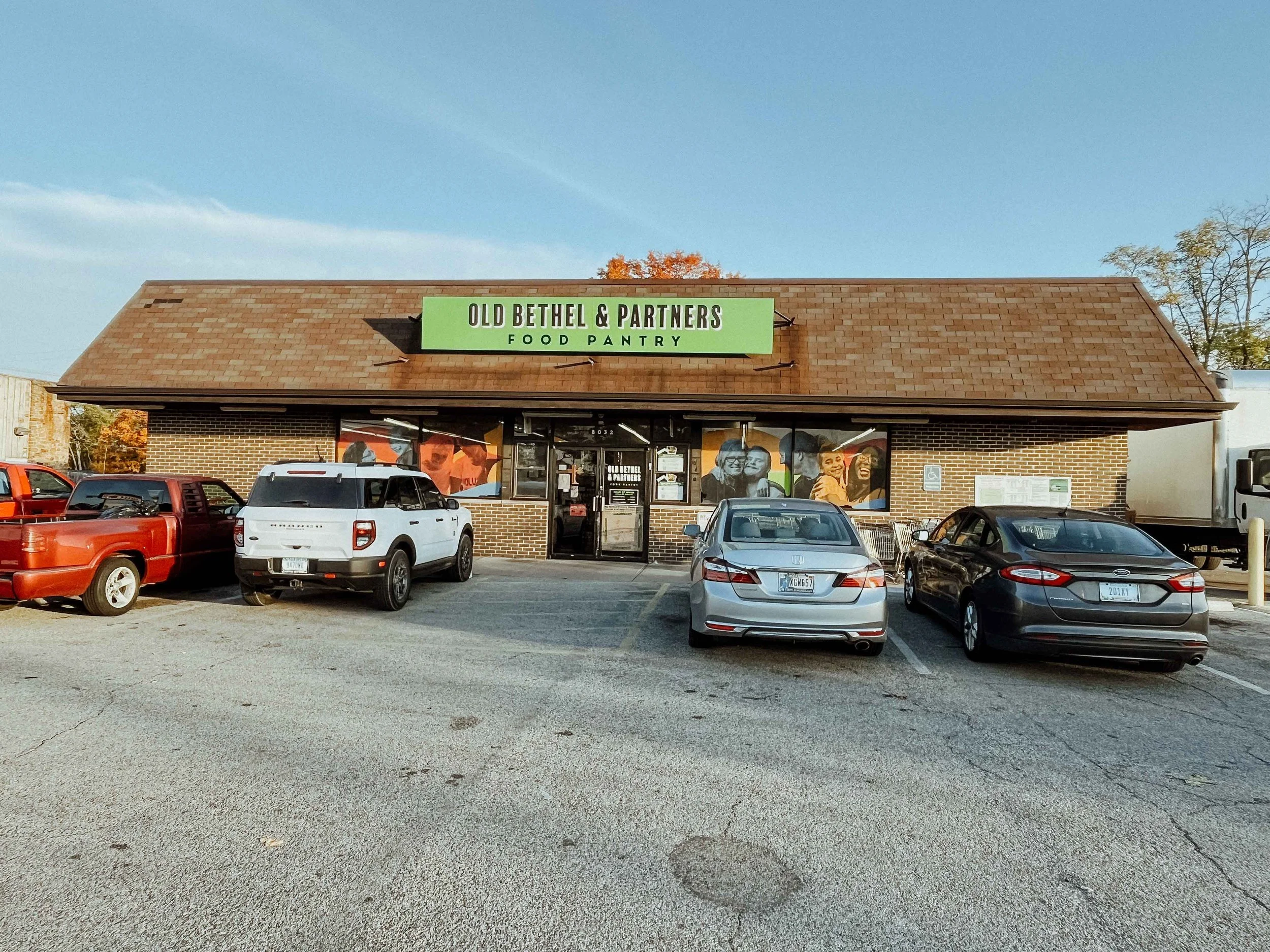
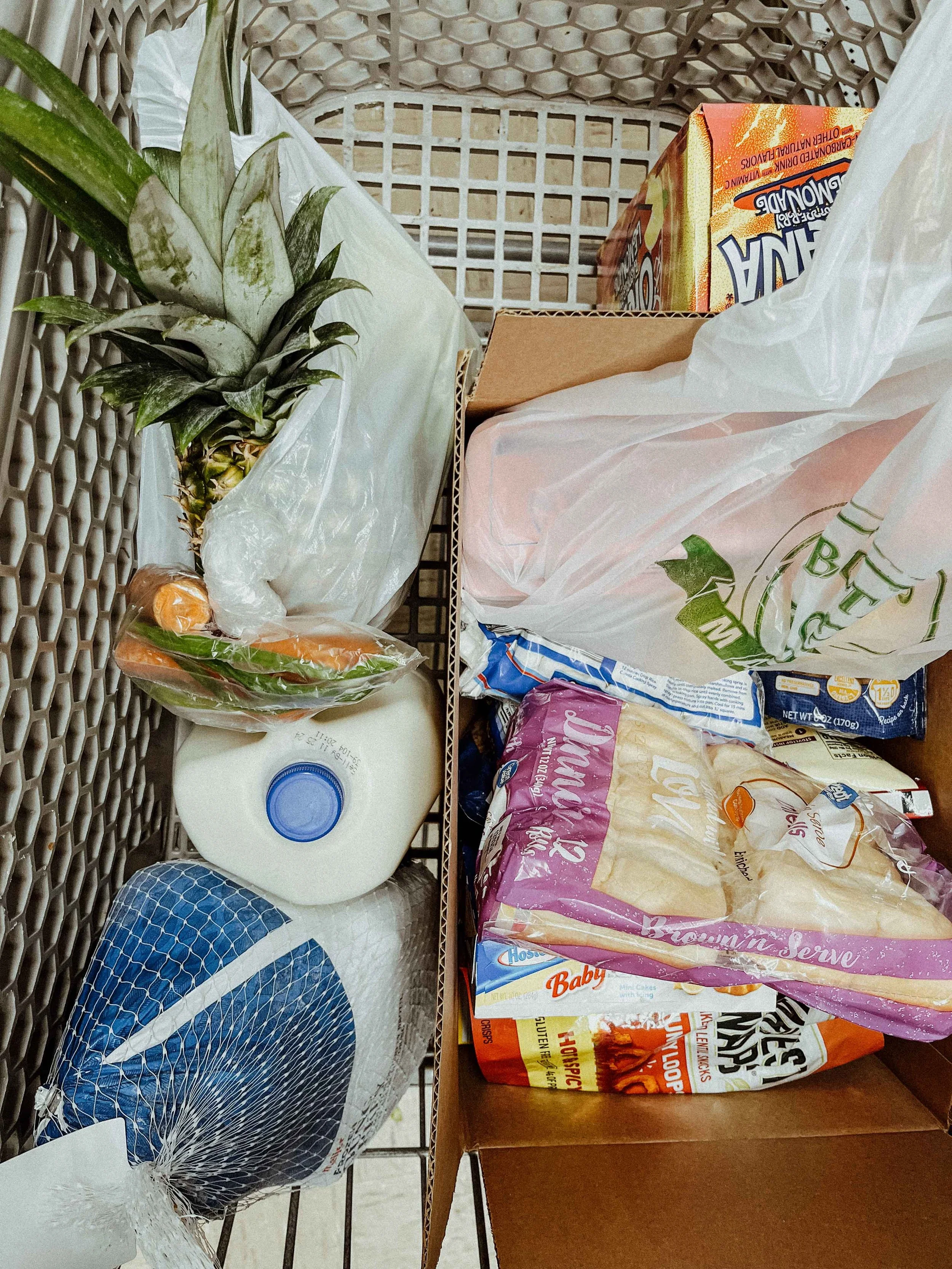

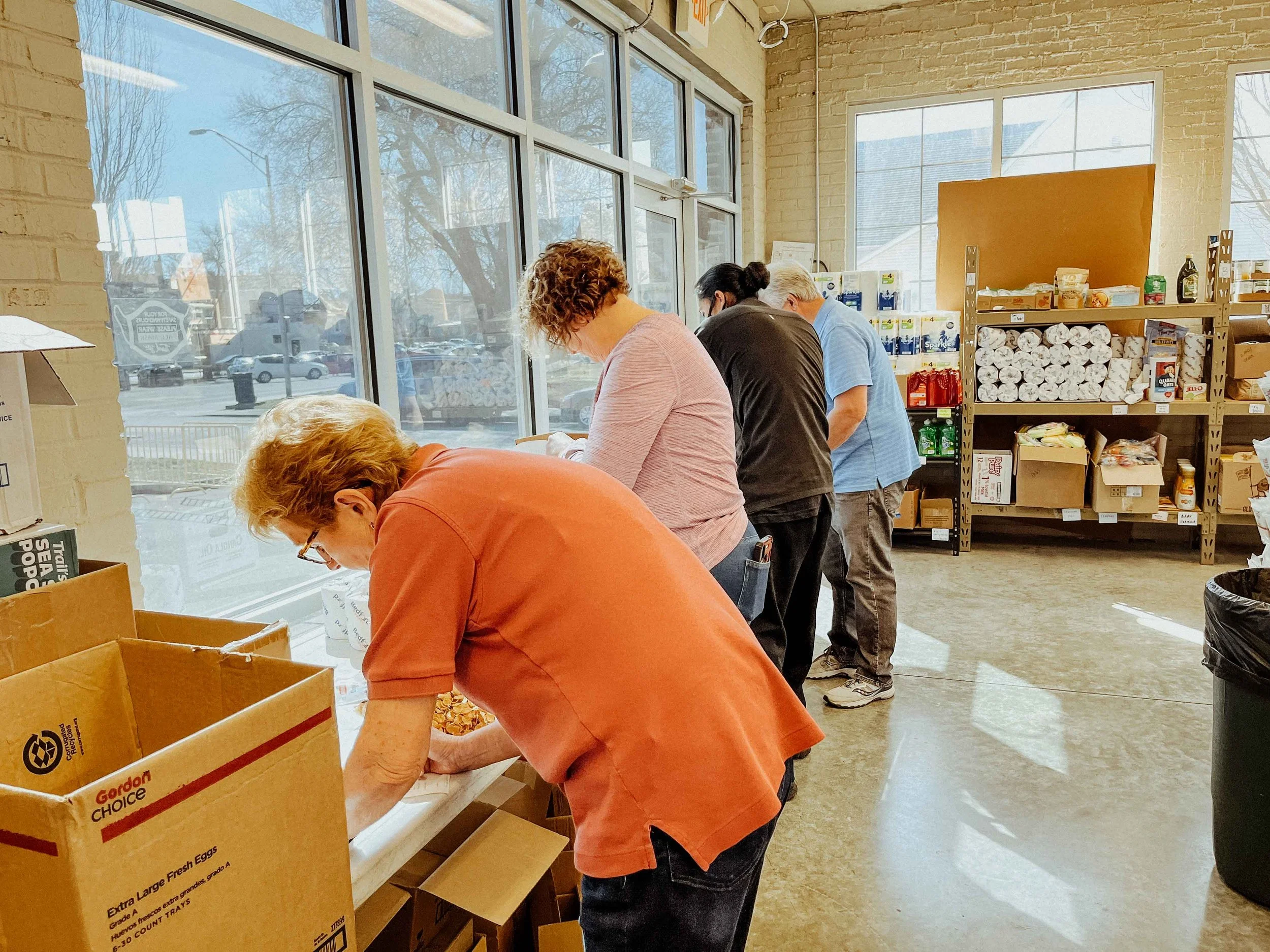
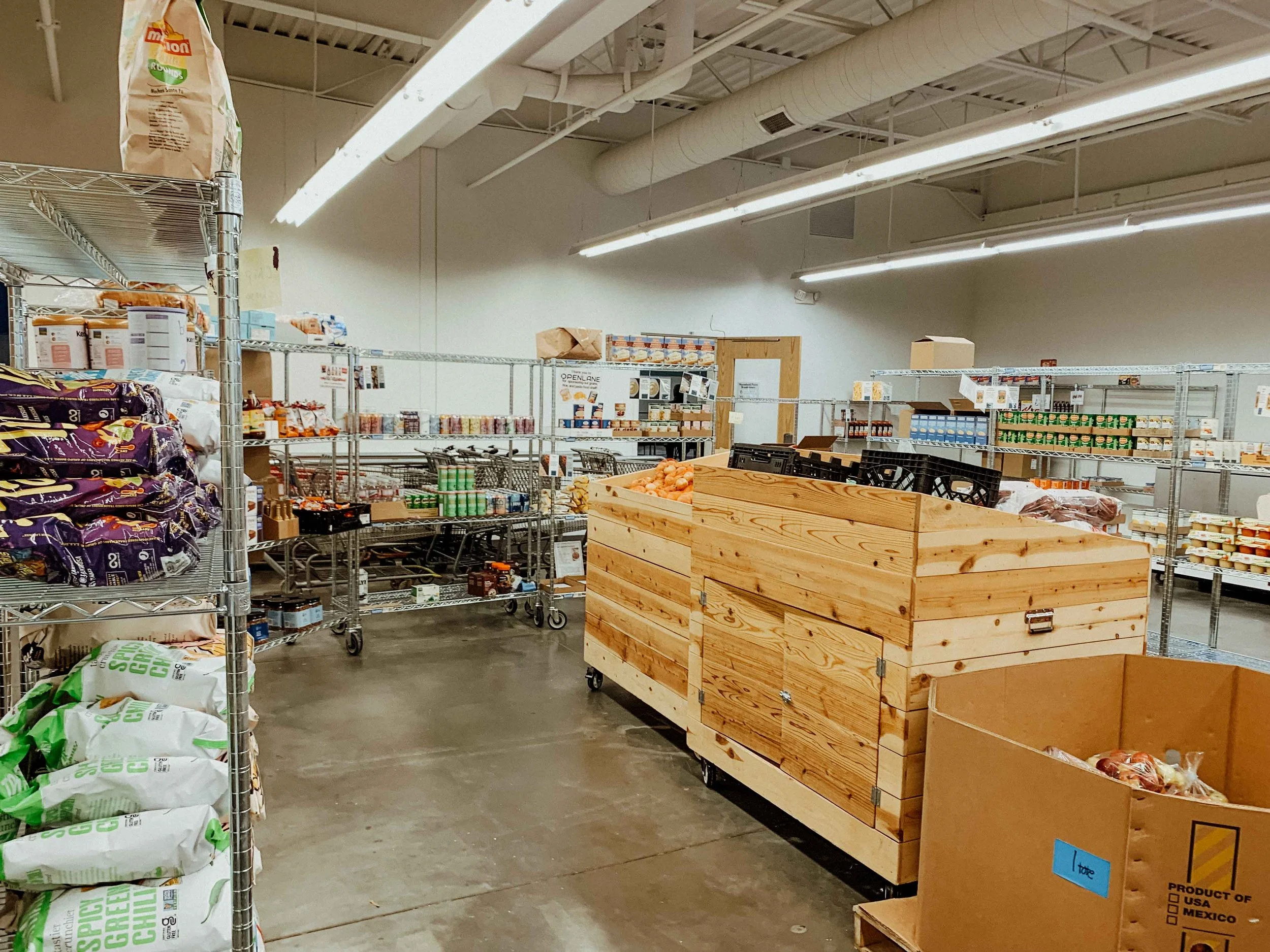
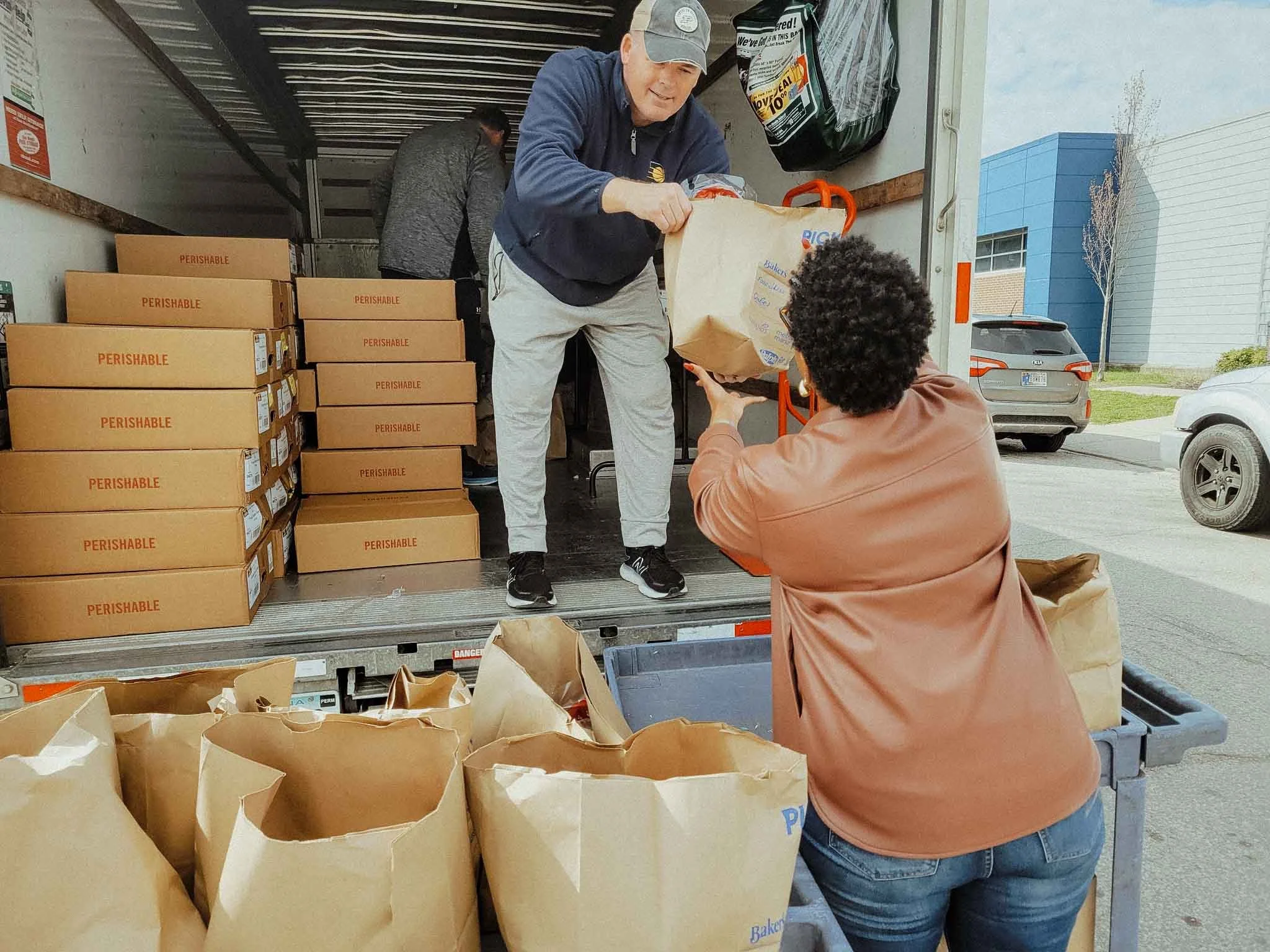
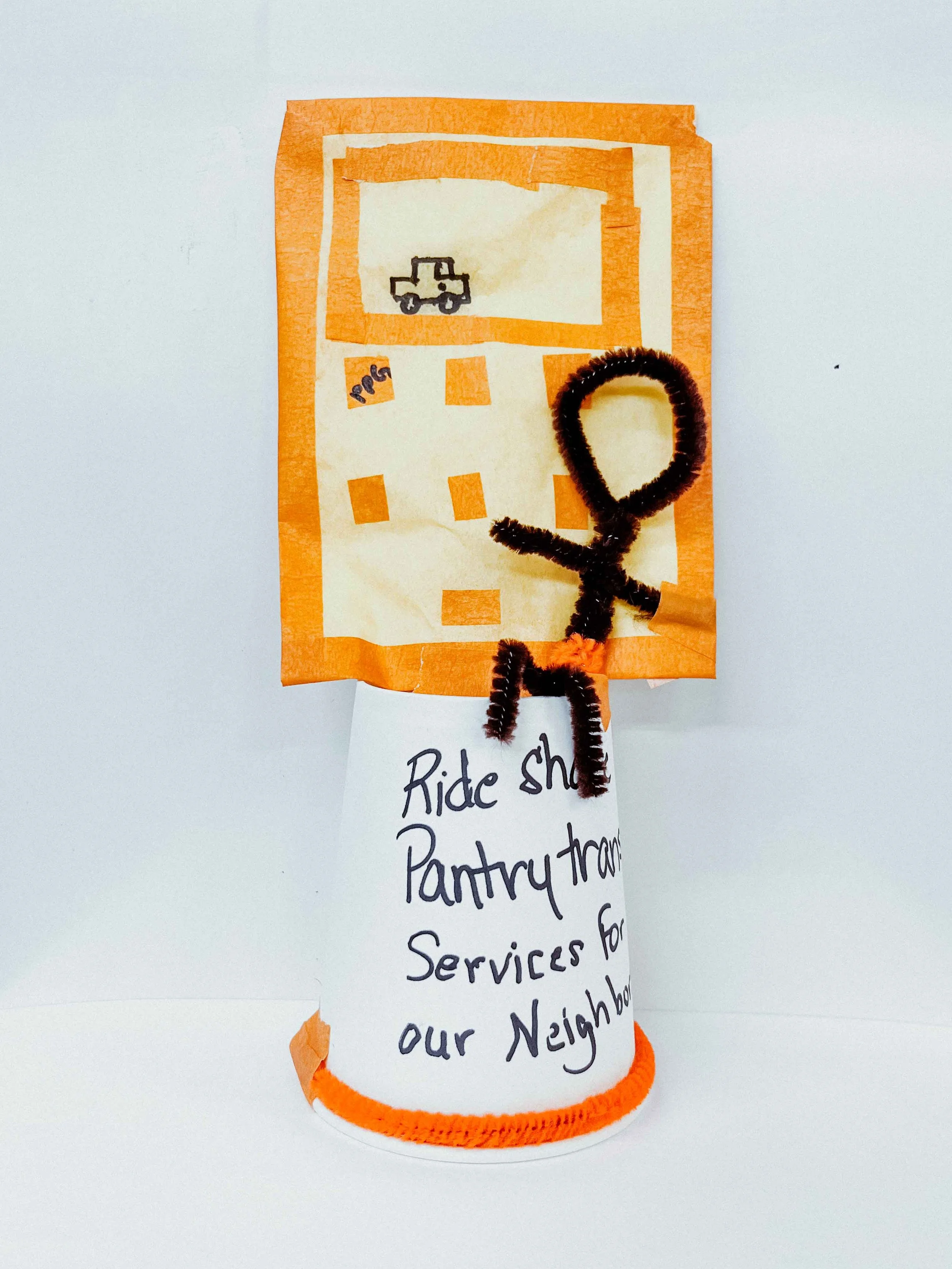
This project presents Mobility as a Social Service, aiming to understand hunger and care within pantry systems and to explore the potential of autonomous (self-driving) vehicles accordingly.
While this technology might have positive impacts on community life, opportunities to explore their applications in community settings are rare. Since 2024, our team of students and community weavers has worked to bridge this gap by studying food pantry systems and examining how self-driving vehicles could support them.
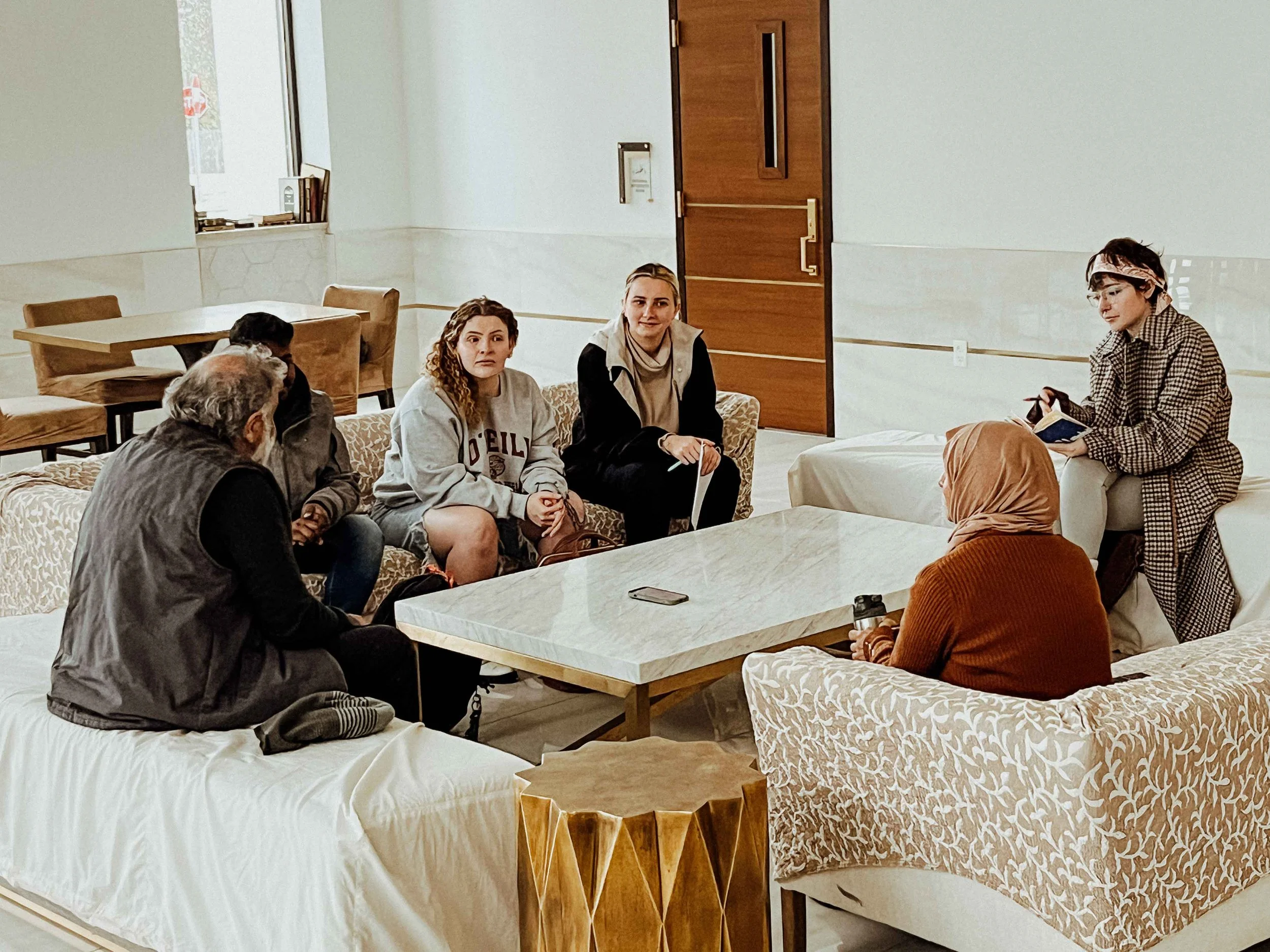
Grounded in extensive community engagement, this project included a year of listening to pantry leaders and the neighbors they serve. Using various methods, we aimed to illustrate food pantries as a system from the perspectives of both service providers and clients, believing that this foundational understanding is crucial for imagining applications of self-driving vehicles.
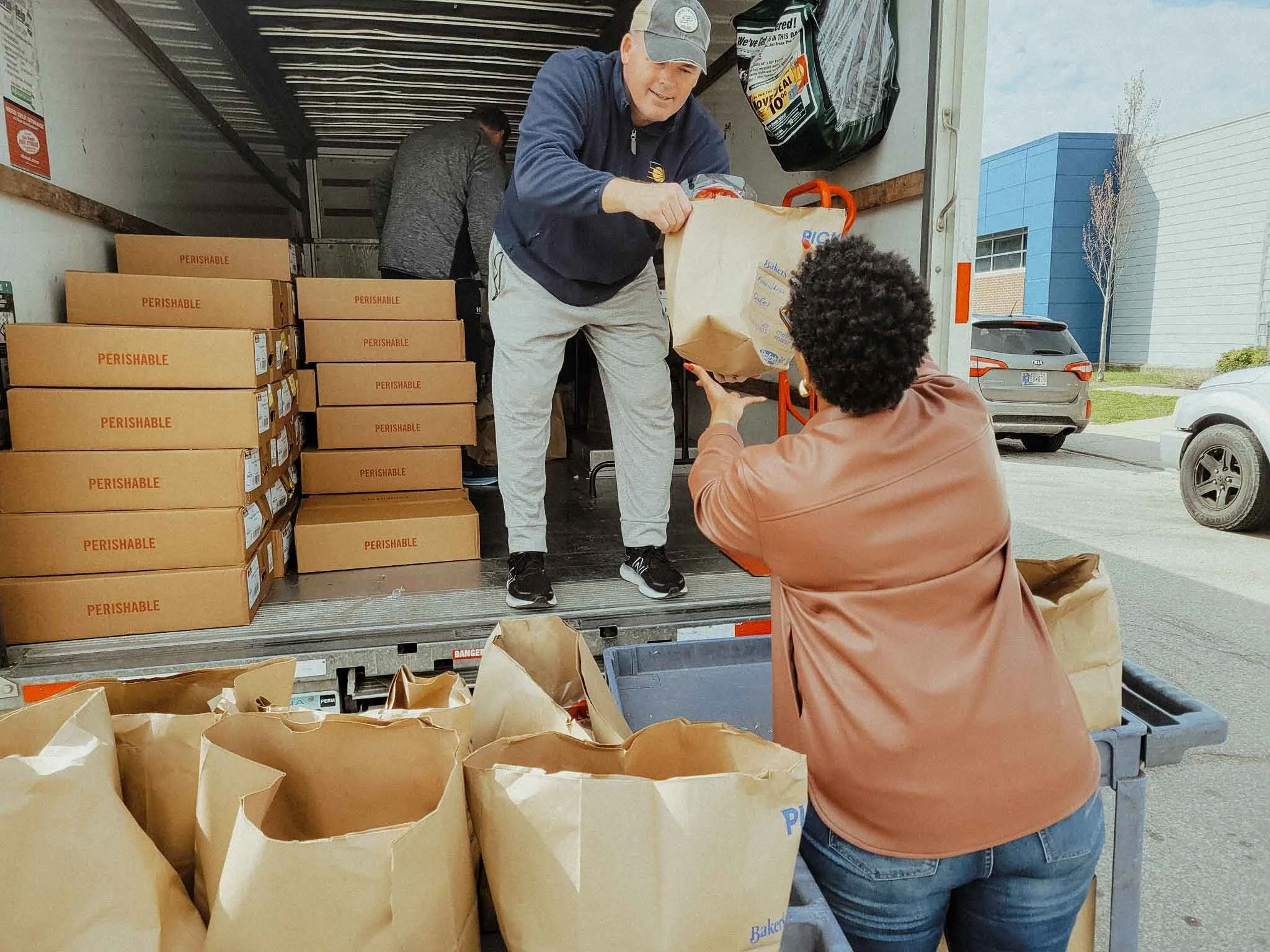
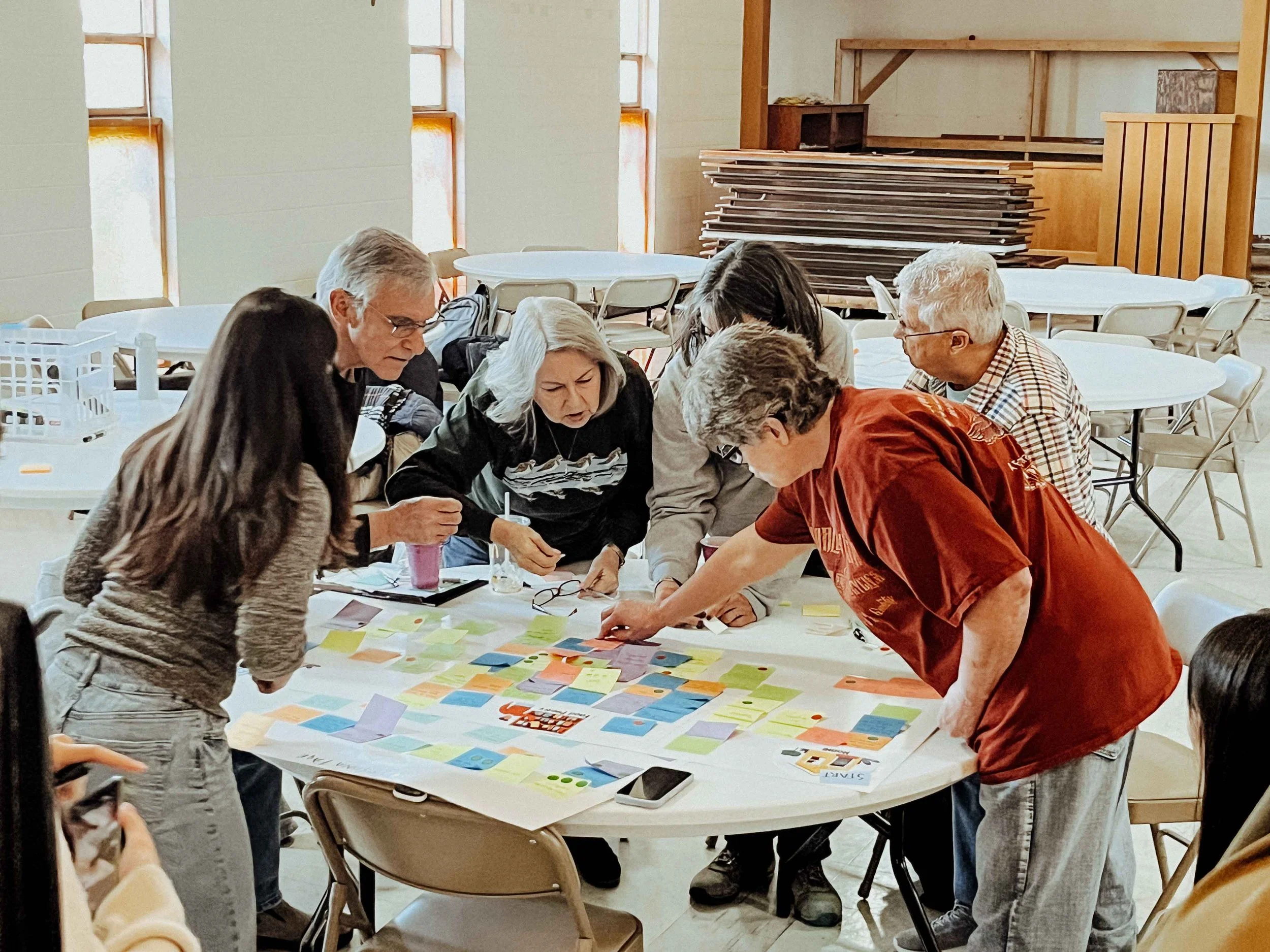
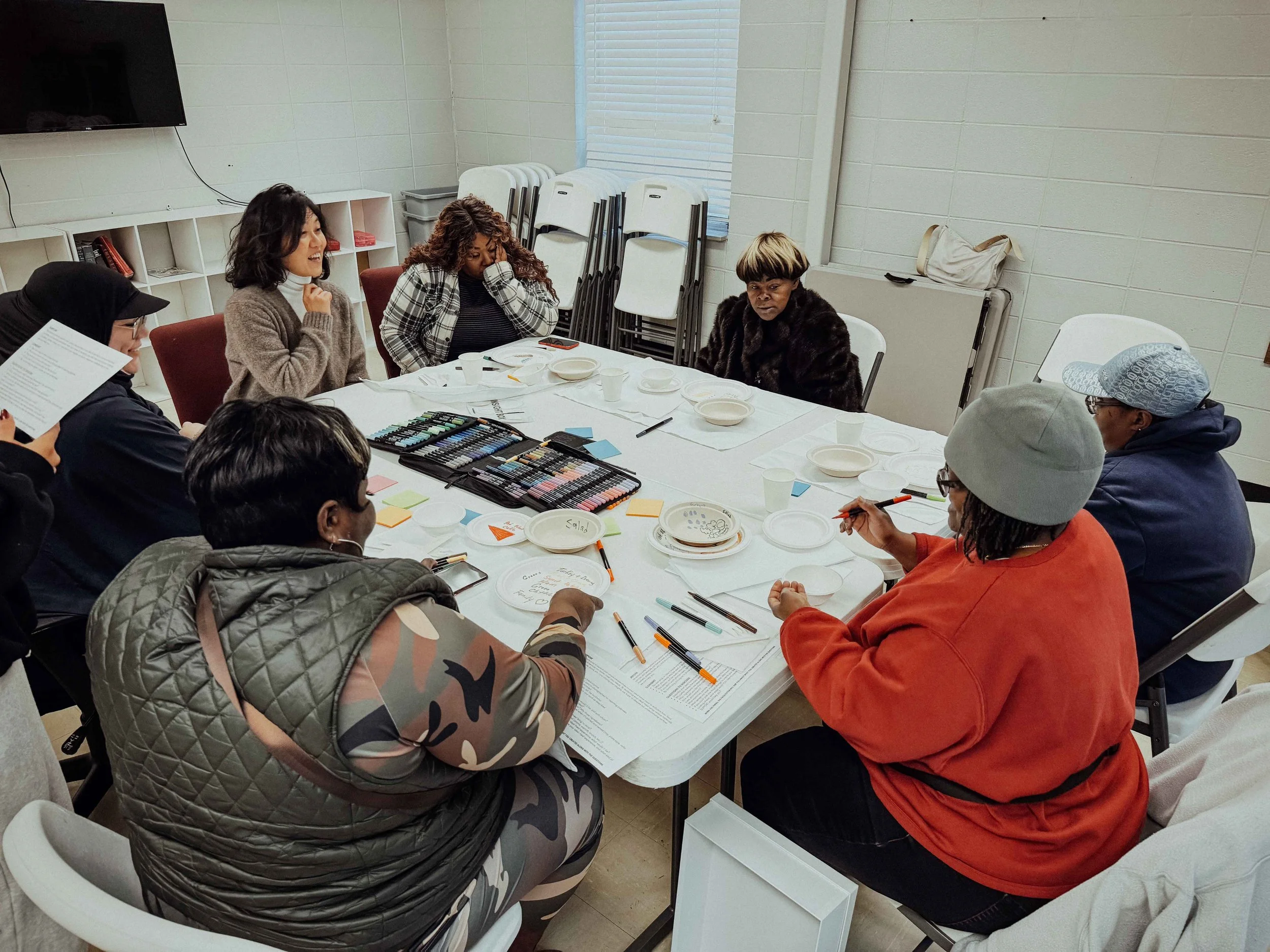
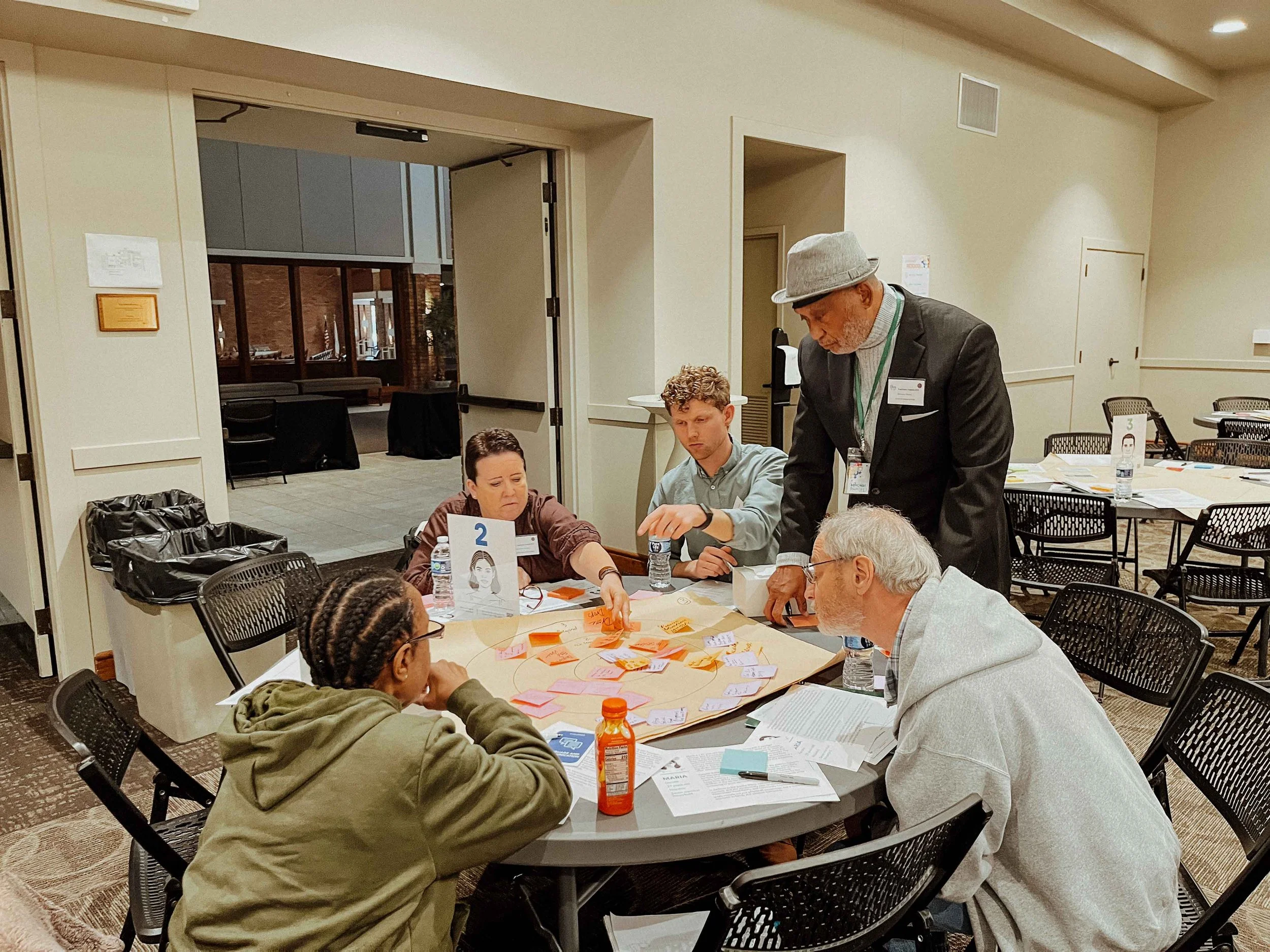
Our research began with seven in-depth interviews with local food pantry leaders who collaborated with us on this project and are known as community weavers. They offered valuable insights into pantry operations and the challenges faced by clients, establishing a strong foundation for shaping this project. Additionally, the community weavers participated in and developed engagement tools with Herron design graduate students and held a workshop with food pantry leaders at the 2025 Food Summit.
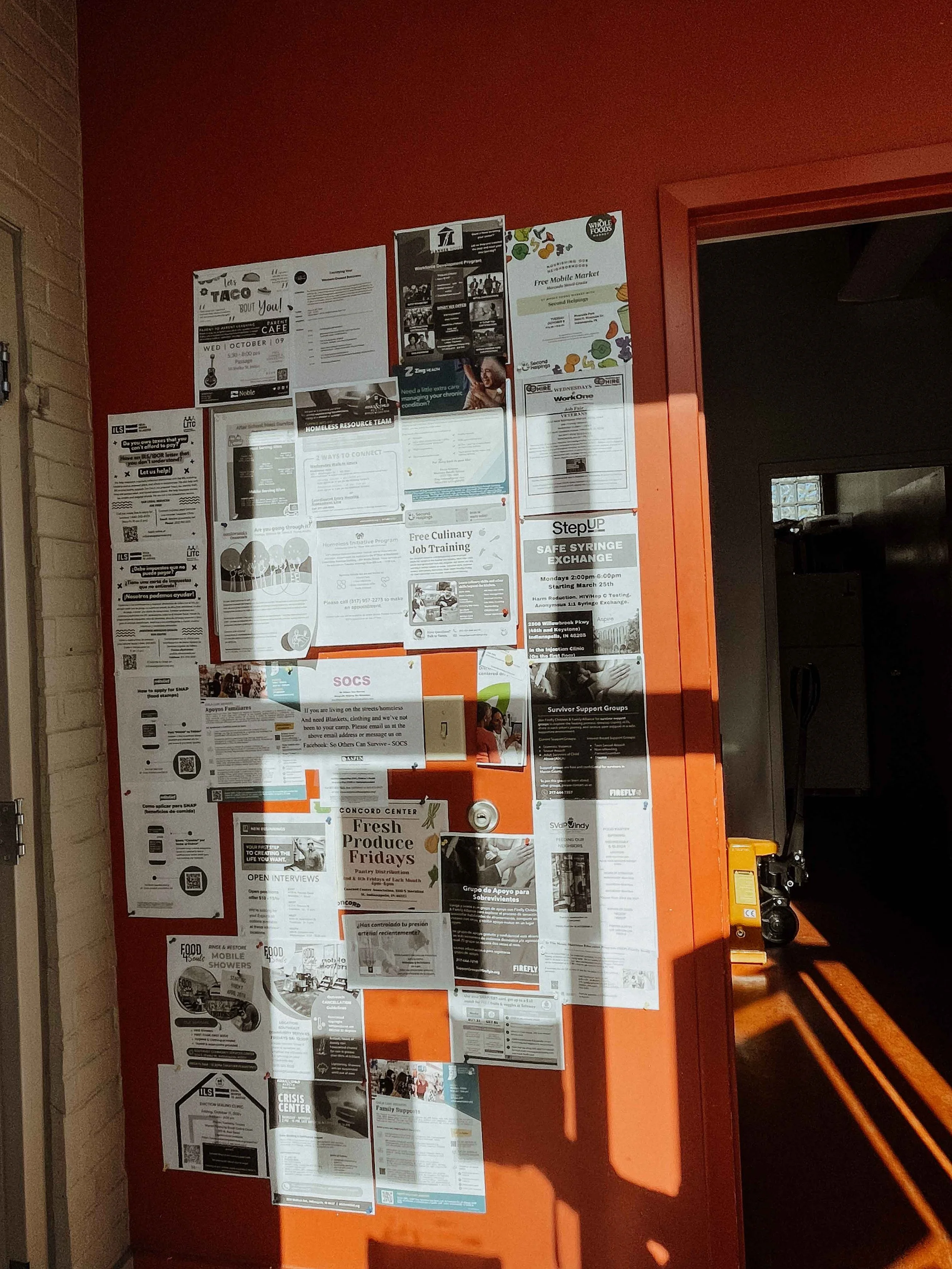
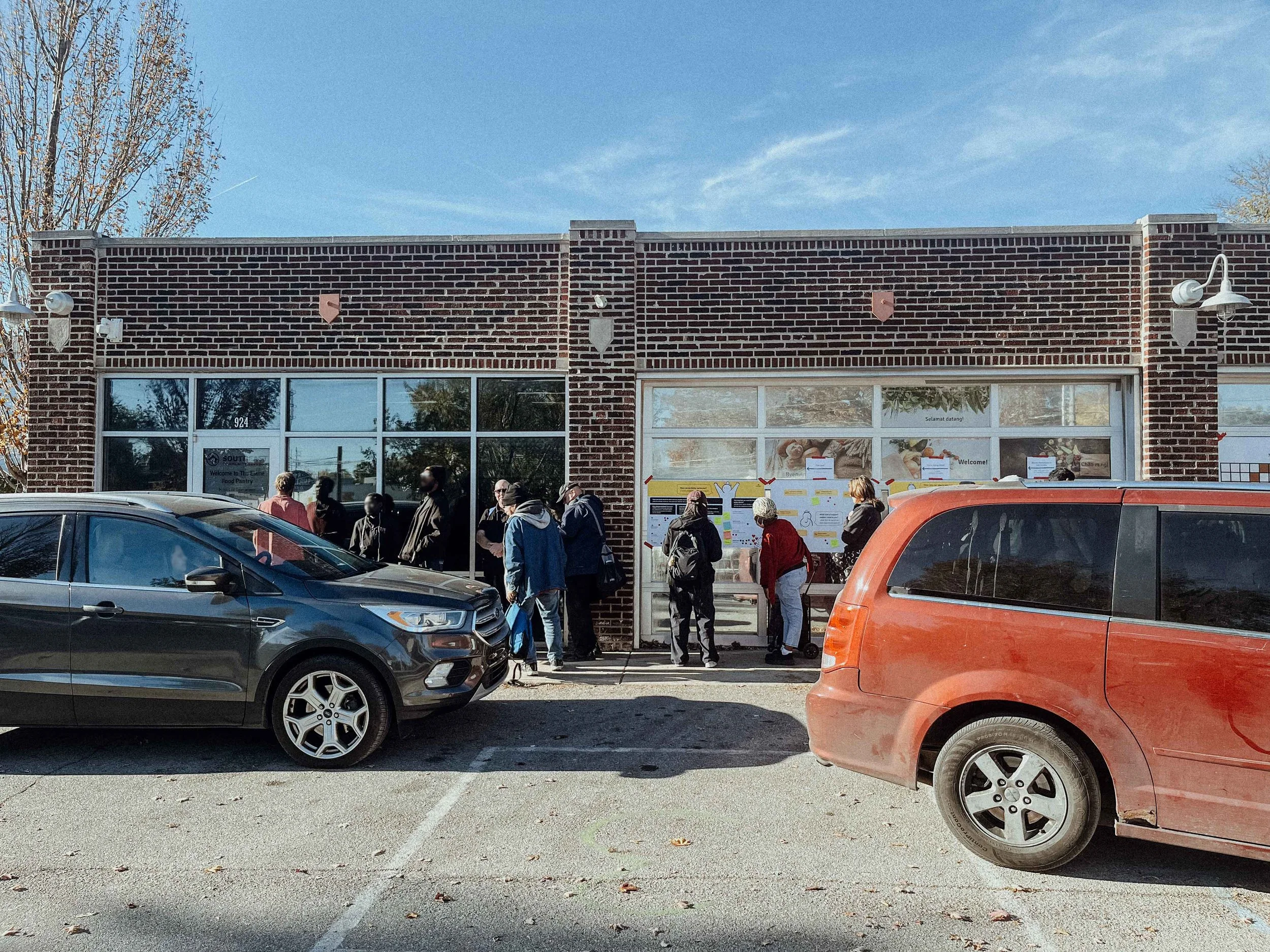
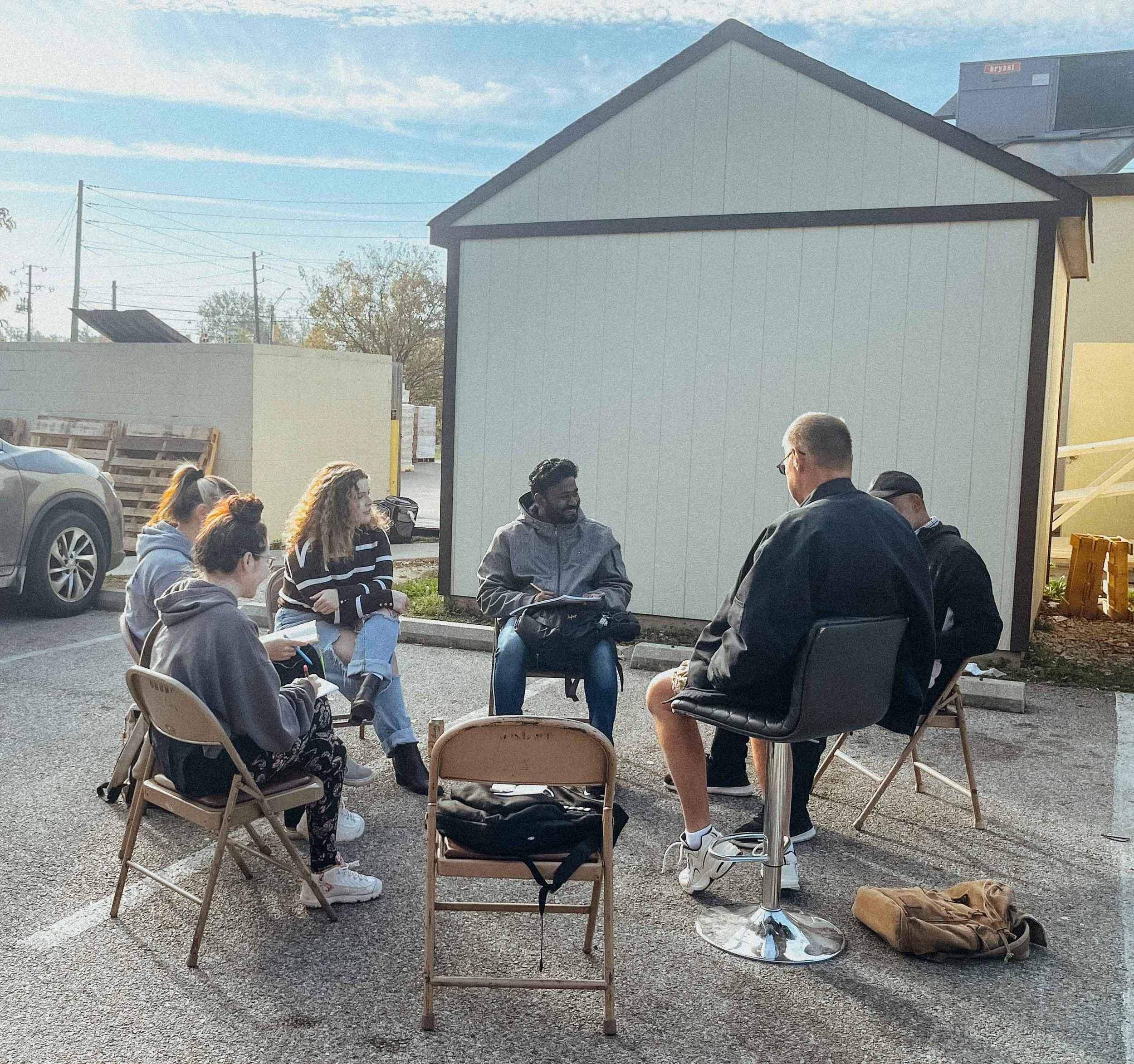
Afterwards, we conducted research with Southeast Community Services, the Ministries of Love, and Hope Pantry to better understand clients’ experiences, especially the barriers they encounter when accessing resources. We collected stories through mixed-methods approaches, including a poster survey, AI-assisted interviews, and individual and focus group interviews, involving 167 participants, including both pantry leaders and clients. To illustrate the local context of food insecurity, this report does not include secondary sources.
Through this process, we found that food pantries are essential safety nets for community resilience. We invite readers to join further discussions about the future of community mobility to strengthen care infrastructure embedded in the local food pantry system.
project contributors
-
Youngbok Hong
Professor/Graduate Program Director
Herron School of Art and Design
Indiana University -
The local food pantry leaders, called Community Weavers, played key roles in this project. They opened doors and connected us with their neighbors. As experts in their own communities, their guidance helped ensure the project stayed rooted in the real-life experiences of the neighbors they serve. We are deeply grateful to:
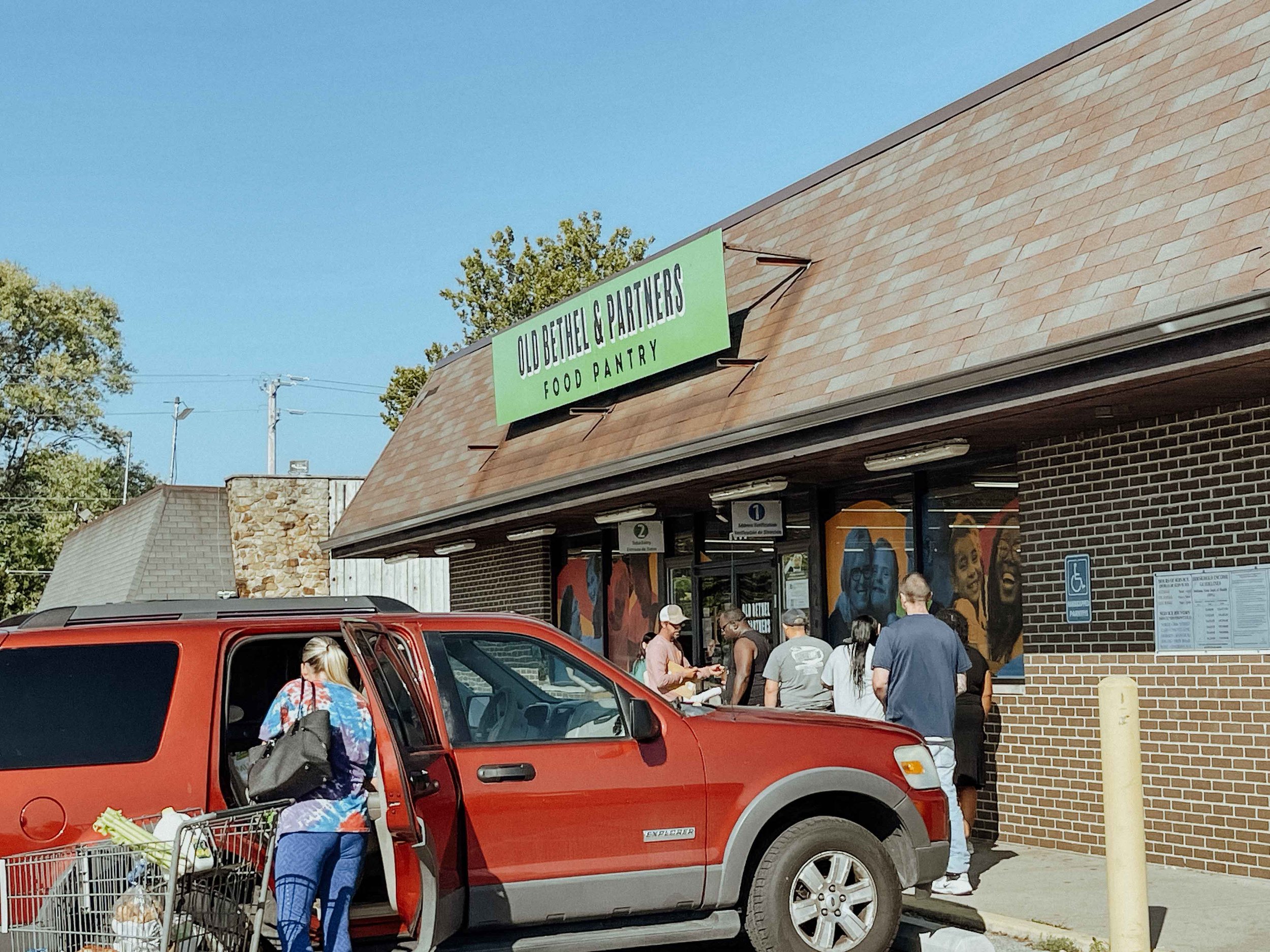
Robert Short, Old Bethel Food Pantry
Nekoma Burcham, Southeast Community Services
Shelva Floyd, Southeast Community Services
Rebecca Black, Hope Food Pantry
Lacrystal Owens, Hope Food Pantry
Imane Vijasa, Indianapolis Muslim Community Association Food Pantry
Andrea Williams, Ministries of Love Food Pantry
William Wood, Ministries of Love Food Pantry
Rhonda Harper, Ministries of Love Food Pantry
Carmen Washington, Alhuda Food Pantry
Rozina Noorani, Alhuda Food Pantry
Arin Schellenberg, Common Ground at Faith
-
This project aimed to prepare students to become practitioners and researchers who connect public interest with emerging technologies, such as self-driving vehicles. The students, who participated in this project as part of their coursework, contributed to the project by applying their classroom learning to conduct research alongside community weavers. As the project progressed, two groups of students contributed during different phases.
Year One: The focus of this stage was to develop a community-centered planning workshop for understanding community mobility from the perspectives of pantry leaders. The team co-designed and hosted workshops with community weavers at the annual Food Pantry Summit.
Marissa Eckert, Master of Design in Design Research, Herron School of Art & Design
Sarah Berna, Master of Design in Design Research, Herron School of Art & Design
Annabel Gremore, Master of Design in Design Research, Herron School of Art & Design
Piyush Mane, Master of Design in Design Research, Herron School of Art & Design
Year Two: This stage emphasized deepening the understanding of community mobility challenges from the perspectives of pantry clients. The team conducted research in the neighborhoods where the selected pantries are located.
Aditya Naik, Luddy School of Informatics, Computing, and Engineering
Amy Hsieh, Luddy School of Informatics, Computing, and Engineering
Crystal Habib, Master of Design in Design Research, Herron School of Art & Design
Pin-Yun Wang, Luddy School of Informatics, Computing, and Engineering
Shashidhara Narayanappa, Luddy School of Informatics, Computing, and Engineering
-
Instructional Design
Maxim Bulanov, a doctoral student in American Studies, provided research support for developing the Mobility as Social Service workshop.
Communication Design
Madison Anderson, Creative Director, was responsible for the communication design of the project outcomes.
-
Indy Hunger Network helped us recruit and form a cohort of community wearers for this project and provided an opportunity to host a session at the summit. The Public Interest Technology University Network (PIT-UN) provided the resources to initiate this research. The Toyota Mobility Foundation offered expert guidance on integrating industry knowledge with student learning throughout the project development. The Initiative for Electrified & Autonomous Mobility (IEAM) provided support in creating an interdisciplinary learning environment.